
With the global push for plastic bans and the growing acceptance of green consumption, wheat straw tableware has rapidly gained popularity due to its “recycling of agricultural waste” and “degradable and environmentally friendly” features, becoming a popular choice for home life, food delivery, and corporate gifts. However, behind this trend, the dilemma of “environmentally friendly but impractical” or “practical but not environmentally friendly” persists. An investigation reveals that wheat straw tableware that has truly secured its market position has precisely struck a balance between environmental friendliness and practicality, upholding its green principles while addressing consumers’ actual pain points. This is the core secret to its ability to overcome industry chaos and maintain its continued popularity.
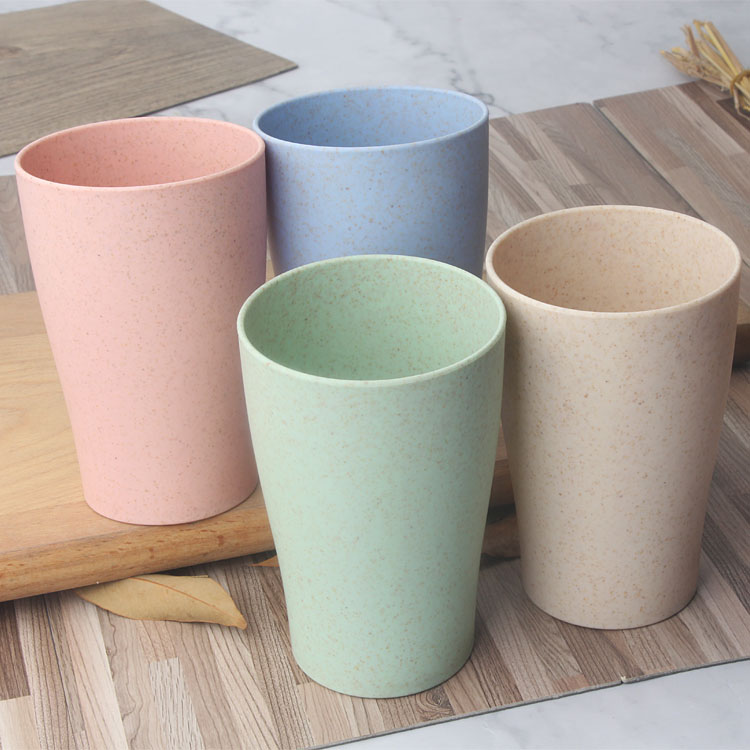
The environmental value of wheat straw tableware lies in its ability to achieve high-value utilization of agricultural waste. my country produces over 1 billion tons of wheat straw annually, and traditional methods of disposal, such as incineration, pollute the environment and waste resources. Wheat straw tableware uses waste wheat straw as its main raw material, processed through sorting, drying, fiber extraction, and high-temperature, high-pressure molding. It requires no logging or petroleum consumption, and under composting conditions, it achieves over 90% degradation within 180 days, truly realizing a closed-loop cycle “from field to table and back to soil.” Its carbon footprint is only one-fifth that of plastic tableware, perfectly aligning with dual carbon goals and environmental trends.

However, environmental attributes alone are insufficient to sustain its popularity. Previously, some low-priced wheat straw tableware, due to its rudimentary manufacturing process, suffered from strong odors, easy deformation, poor heat resistance, and water and oil leakage, leaving consumers in a “pseudo-environmental” predicament. Many consumers complained, “It seems environmentally friendly, but it deforms after only a few uses and is less durable than ordinary plastic tableware,” exposing the industry’s early shortcomings of prioritizing environmental protection over practicality.
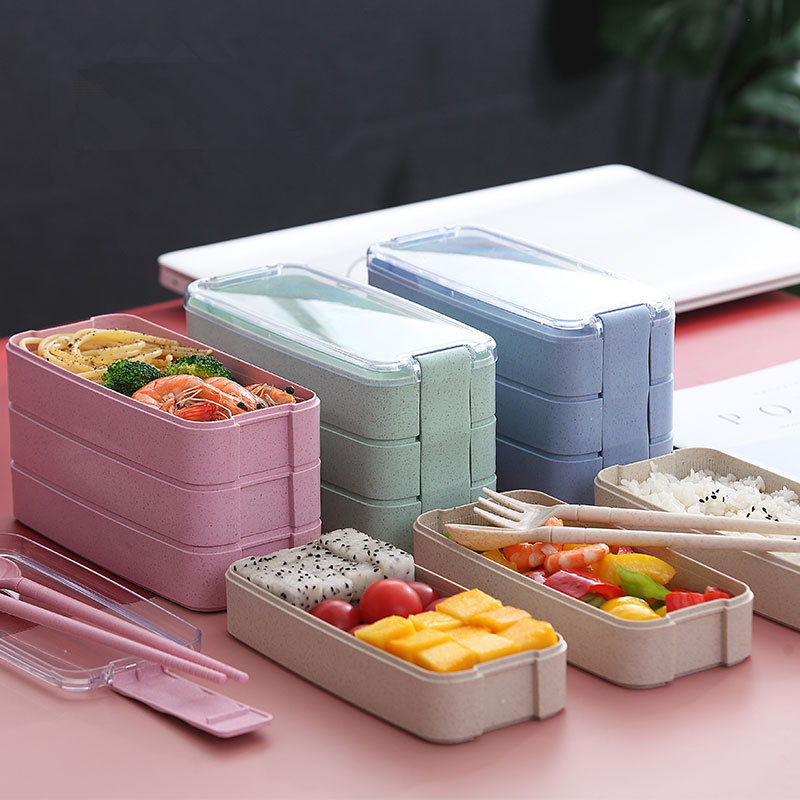
Now, high-quality wheat straw tableware, through technological upgrades, has achieved a breakthrough in both environmental friendliness and practicality. In terms of materials, it adopts a composite modification process of wheat straw fiber and food-grade PP, which not only retains the environmentally friendly properties of straw but also improves the product’s toughness. Tests show that high-quality products can withstand a free fall from a height of 1.2 meters without breaking, and the heat resistance temperature can reach 100℃, meeting the needs of daily microwave heating and dishwasher cleaning. In terms of safety, it strictly follows the GB 4806 series and LFGB international standards. Formaldehyde and heavy metal migration levels meet the limit requirements, with no pungent odor; some products even have a faint wheat aroma, meeting consumers’ demands for health and safety.
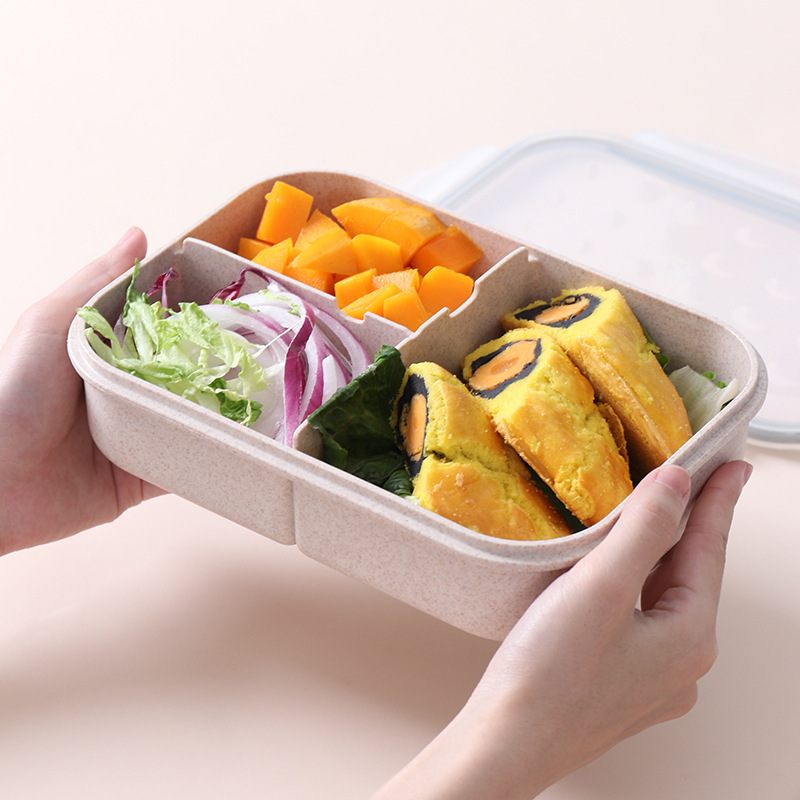
Market data shows that the global biodegradable tableware market reached $12.7 billion in 2023, with wheat straw tableware’s share steadily increasing. It is projected that the market share will exceed $30 billion by 2028. Currently, high-quality wheat straw tableware is widely used in catering takeout, outdoor camping, and children’s complementary food scenarios, becoming both a choice for catering companies to implement ESG principles and an important vehicle for consumers pursuing a green lifestyle.

Industry insiders say that the popularity of wheat straw tableware is not a victory for a single environmental label, but rather the result of a balance between environmental protection and practicality. In the future, with the continuous iteration of technologies such as bio-based coatings and antibacterial modification, the industry will be further standardized, get rid of the chaos of “low price and low quality”, and make wheat straw tableware truly “both environmentally friendly and easy to use”. This will not only solve the problem of agricultural waste disposal, but also provide consumers with better green choices, and promote the two-way development of green consumption and circular economy.

Post time: Mar-03-2026


