
Introduction
As global consumers become more aware of environmental protection and sustainable living, the choice of tableware materials has become an important topic for both end users and businesses. Among the most commonly compared options are wheat straw dinnerware and traditional plastic dinnerware. Each has its own advantages and limitations, but they serve different needs depending on usage scenarios and market positioning. This article provides a clear and practical comparison to help buyers and businesses make informed decisions.
What is Wheat Straw Dinnerware
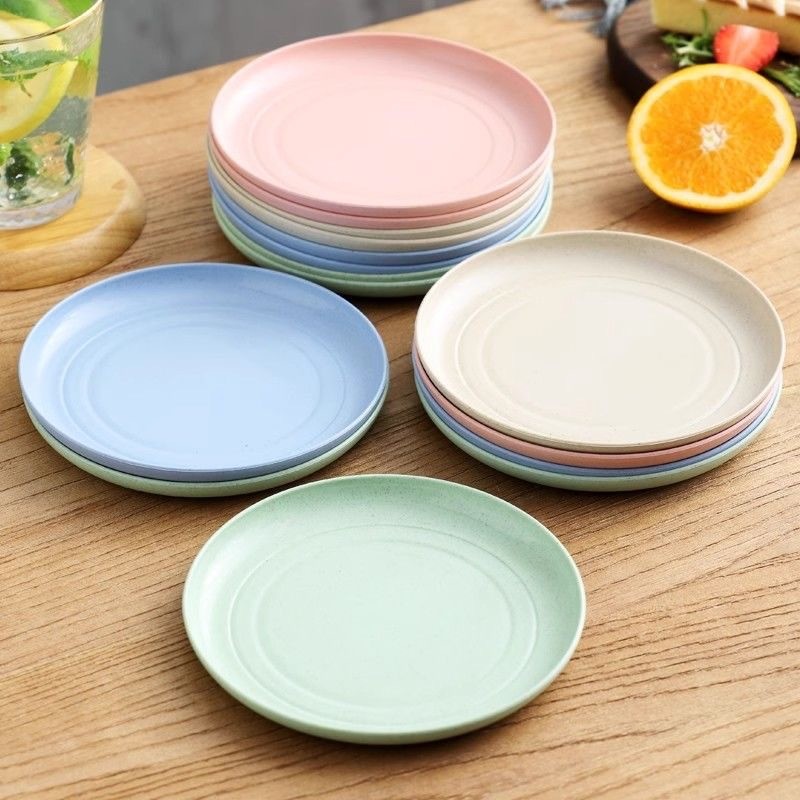
Wheat straw dinnerware is made from agricultural residues left after wheat harvesting. These fibers are combined with food grade materials to produce reusable tableware such as plates, bowls and cups. The concept focuses on reusing natural byproducts that would otherwise be discarded or burned, helping reduce waste and support more sustainable production practices. Products made from wheat straw are typically lightweight, reusable and designed for daily household use.
What is Plastic Dinnerware
Plastic dinnerware is manufactured using synthetic materials derived from petroleum. It has been widely used for decades due to its low production cost, durability and mass availability. Plastic tableware can be produced in large quantities at relatively low cost, making it a common choice for budget focused markets and high volume distribution.
Environmental Impact
Wheat straw dinnerware offers a more environmentally friendly alternative because it utilizes renewable agricultural waste. By repurposing wheat straw, it helps reduce reliance on virgin plastic and lowers overall environmental impact. In contrast, plastic dinnerware depends on non renewable fossil resources and contributes to long term waste issues. Plastic products can take a very long time to decompose, which creates challenges for waste management and environmental sustainability.

Safety and Material Considerations
High quality wheat straw dinnerware is typically made from food grade materials and is designed to be BPA free. This makes it suitable for everyday use, including for families with children. However, the quality of the final product depends on the manufacturing process and material composition.
Plastic dinnerware also varies in safety depending on the type of plastic used. While many products meet food safety standards, concerns remain regarding potential chemical exposure, especially when exposed to heat or used over long periods. For markets that prioritize health and safety, wheat straw products often have a stronger appeal.
Durability and Practical Use
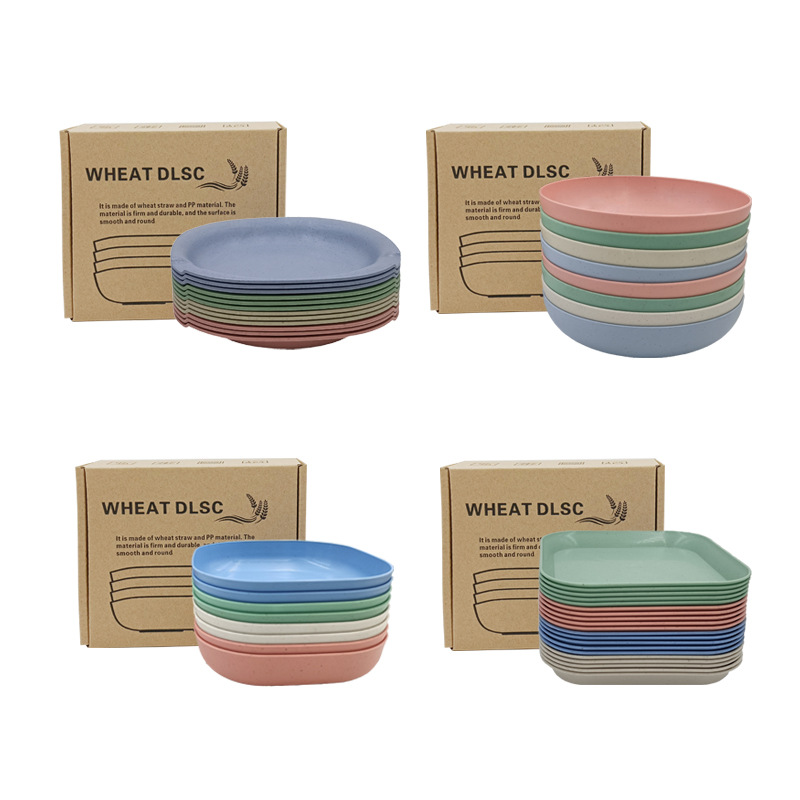
Plastic dinnerware is known for its strong durability and resistance to impact. It performs well under frequent and heavy use, making it suitable for long term applications where toughness is important.
Wheat straw dinnerware is also designed to be durable and is generally resistant to breaking. It is lightweight and convenient for everyday household use. However, compared to plastic, it may have slightly lower resistance to scratches and long term wear depending on the quality of the product.

Heat Resistance and Maintenance
Plastic dinnerware has varying levels of heat resistance depending on the material type. Some plastics may deform under high temperatures, while others are more heat resistant. Proper usage guidelines must be followed to avoid damage.
Wheat straw dinnerware is usually suitable for microwave and dishwasher use within recommended temperature limits. It provides convenience for daily heating and cleaning, although it should not be exposed to excessive heat.
Market Position and Cost
Plastic dinnerware generally has a lower cost due to mature production processes and widely available raw materials. It remains a strong option in price sensitive markets.
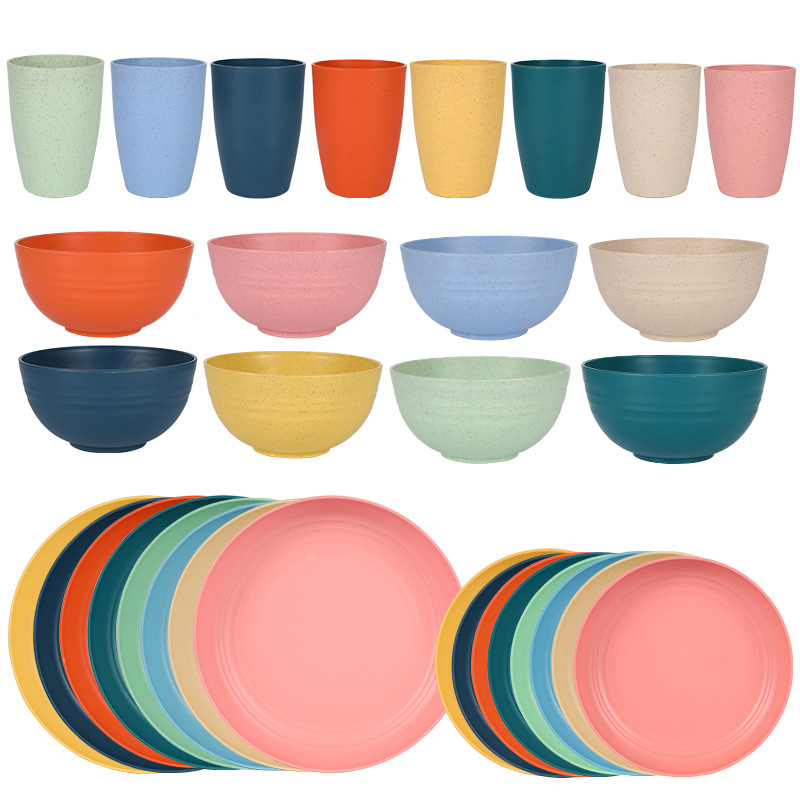
Wheat straw dinnerware is positioned as a more eco friendly and value added product. Although the cost may be slightly higher, it allows businesses to target consumers who prioritize sustainability. This creates opportunities for branding, premium positioning and differentiation in competitive markets.
Conclusion
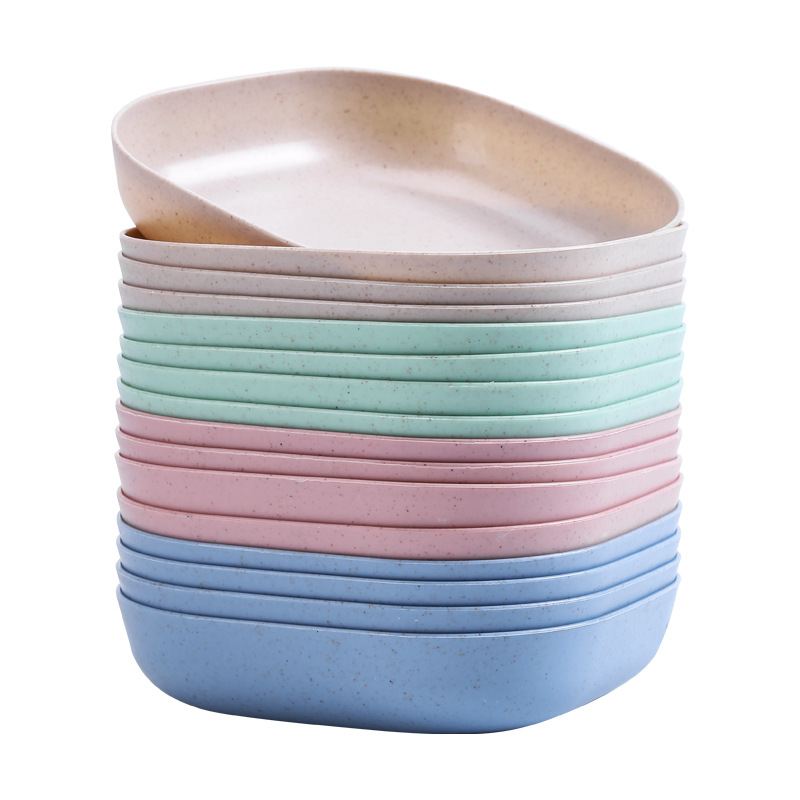
Wheat straw dinnerware and plastic dinnerware each have their own strengths. Plastic offers cost efficiency and high durability, while wheat straw provides environmental benefits, safety advantages and stronger appeal in modern eco conscious markets. For businesses and consumers who value sustainability and long term trends, wheat straw dinnerware is increasingly becoming a preferred choice.
Post time: Mar-25-2026


