
The global shift toward sustainability has transformed the way we think about everyday objects. Among the most popular innovations in eco-friendly dining is wheat straw tableware. As a byproduct of wheat harvesting, this material offers a second life to agricultural waste that would otherwise be burned, contributing to air pollution. However, as consumers and wholesale buyers transition from traditional plastics or ceramics to this bio-based alternative, a recurring question arises Is wheat straw truly microwave and dishwasher safe. Understanding the science, limits, and best practices for this material is essential for maximizing its lifespan and ensuring food safety.
Understanding the Composition of Wheat Straw Tableware
To answer questions about heat resistance, we must first understand what wheat straw tableware actually is. Pure wheat straw is a fibrous plant material. On its own, it cannot be molded into a rigid, waterproof plate or bowl. To create functional dinnerware, manufacturers typically blend finely ground wheat straw fibers with a food-grade bonding agent, often a high-quality, BPA-free polymer like polypropylene (PP).
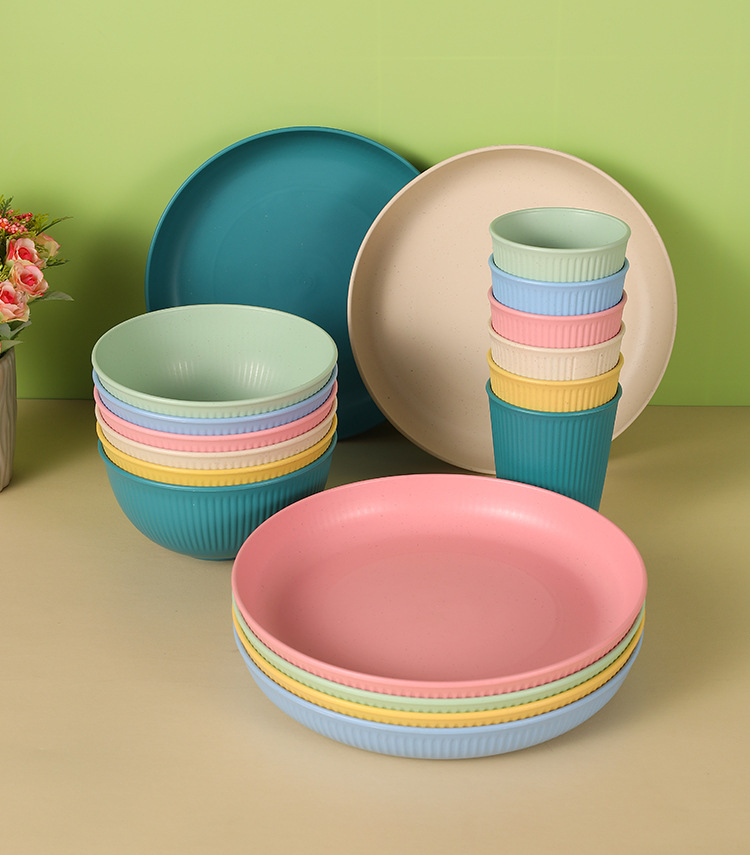
This hybrid composition is what gives the product its unique characteristics. The wheat straw provides the eco-friendly credentials and a natural, aesthetic speckle, while the food-grade resin provides the structural integrity and heat resistance. Because of this blend, wheat straw tableware behaves differently than pure plastic or traditional stoneware.
Is It Microwave Safe
The short answer is yes, but with specific conditions. Most high-quality wheat straw tableware is labeled as microwave safe, but it is not designed for high-heat cooking in the same way that glass or thick ceramic is.
Heat Tolerance Levels
Most wheat straw products are engineered to withstand temperatures up to approximately 120 degrees Celsius or 248 degrees Fahrenheit. In a microwave context, this means they are excellent for reheating leftovers. If you are warming up a bowl of pasta or a plate of vegetables for two to three minutes, wheat straw performs exceptionally well. It does not get as scorching hot to the touch as ceramic often does, making it safer for children to handle.
The Limits of Microwaving
The danger arises when the material is subjected to prolonged high-heat cycles. Unlike borosilicate glass, wheat straw composites can soften if overheated. Users should avoid using wheat straw containers to cook raw foods that require long boiling times or to heat oils and sugary syrups. Oils and sugars can reach temperatures far exceeding 120 degrees Celsius very quickly, which may cause the surface of the wheat straw plate to pit, warp, or lose its smooth finish. For best results, it is recommended to keep microwave intervals to under five minutes and avoid the “high” setting for extended periods.
Is It Dishwasher Safe
For the modern household or a busy commercial kitchen, dishwasher compatibility is a non-negotiable feature. Fortunately, wheat straw tableware is generally dishwasher safe, but there are nuances to how you should wash it to ensure it lasts for years.
Top Rack vs Bottom Rack
The primary heat source in most dishwashers is located at the bottom. During the drying cycle, the heating element can reach very high temperatures to evaporate water. To protect the integrity of bio-based materials, it is widely recommended to place wheat straw items on the top rack. This keeps them further away from the direct heat source and reduces the risk of thermal warping over hundreds of wash cycles.
Detergents and Abrasives
Wheat straw has a naturally smooth, slightly matte finish. While it is durable, it is more susceptible to scratching than stainless steel or glazed ceramic. To maintain the aesthetic appeal, users should avoid highly abrasive detergents or steel wool scrubbing pads. Standard liquid or pod detergents are perfectly fine. Because the material is non-porous, it does not trap food odors or stains easily, meaning a standard wash cycle is usually more than sufficient to keep it hygienic.
Longevity and Maintenance Tips
To ensure your wheat straw sets remain in peak condition, consider the following maintenance strategies
Avoid Sharp Serrated Knives
While wheat straw is tough, heavy pressure from a serrated steak knife can leave permanent score marks on the surface. For longevity, it is best used with standard flatware or for foods that do not require heavy-duty cutting directly on the plate.
Staining and Pigmentation
Natural materials can sometimes be susceptible to staining from highly pigmented foods like turmeric, beet juice, or heavy tomato sauces, especially if the food is allowed to dry on the surface. To prevent this, a quick rinse after use is recommended. If a stain does occur, a soak in a mixture of baking soda and water usually lifts the pigment without damaging the material.
Storage and Stackability
One of the greatest functional benefits of wheat straw is that it is lightweight and highly stackable. Unlike ceramic, which can chip at the edges when stacked too tightly, wheat straw is slightly flexible and impact-resistant. This makes it ideal for small kitchens, RVs, or outdoor catering where space and weight are primary concerns.
The Safety Profile BPA and Chemical Migration
Safety is about more than just physical durability it is about chemical stability. One of the strongest selling points for wheat straw is that it is BPA-free. Bisphenol A is a chemical often found in traditional plastics that can leach into food, especially when heated. Because wheat straw tableware uses agricultural waste and food-grade resins, it provides a much safer alternative for families, particularly for use by infants and toddlers.
When you heat wheat straw in the microwave within the recommended temperature range, the material remains stable. It does not emit the “plastic smell” often associated with cheap microwaveable containers. This chemical stability is a major reason why international regulatory bodies like the FDA and LFGB approve high-quality wheat straw for food contact.
Why the Microwave and Dishwasher Test Matters for Sustainability
The ability to reuse a product hundreds of times is the cornerstone of sustainability. If an eco-friendly plate warped in the dishwasher after two weeks, it would end up in a landfill, defeating its environmental purpose. The durability of wheat straw in the microwave and dishwasher ensures that it replaces thousands of single-use paper or plastic plates over its lifetime.
Furthermore, because wheat straw is lightweight, it requires less energy to transport compared to heavy glass or ceramic. When a product is both durable enough for the dishwasher and light enough for a picnic, its utility increases, making it a more attractive option for consumers looking to reduce their carbon footprint without sacrificing convenience.
Summary for the Savvy Consumer
Wheat straw tableware is a remarkable marriage of nature and technology. It successfully meets the demands of modern living while respecting the planet. To recap the best practices
Use it in the microwave for reheating food, but avoid high-heat cooking of oils or fats. Clean it in the dishwasher on the top rack to avoid the intense heat of the drying element. Enjoy its lightweight and shatterproof nature, making it the perfect choice for busy families and eco-conscious businesses.
By following these simple usage tips, you can ensure that your wheat straw tableware remains a beautiful, functional, and safe part of your kitchen for a long time. It is not just a trend it is a practical step toward a more sustainable and responsible lifestyle. As we continue to innovate, the boundary between eco-friendly and high-performance continues to vanish, with wheat straw leading the charge.
Post time: Mar-31-2026


