
The tightening of global plastic restrictions and the upgrading of environmentally conscious consumer habits are driving the rapid development of biodegradable products such as wheat-based tableware. Data shows that the global market size for wheat straw tableware will reach US$86.5 million in 2025, and is expected to increase to US$347 million by 2035, with a compound annual growth rate of 14.9%. The European and North American markets, driven by strict policies and mature consumer demand, are the core growth engines.

The policy benefits in the European market are particularly significant. Polish eco-friendly tableware brand Biotrem stands out with its edible tableware made from wheat bran. Its products use wheat, rye, and other grain bran as raw materials; one ton of raw materials can produce 10,000 pieces of tableware, which naturally biodegrade within 30 days and are also edible. Thanks to the EU’s Single-Use Plastics Directive, which mandates the phasing out of traditional plastic tableware, the brand’s products have entered more than 40 countries worldwide, with annual sales exceeding one million US dollars and an annual production of over 15 million pieces of tableware.

The North American market is driven by consumer demand. Plastic bans in states like California and New York are accelerating the replacement of traditional tableware by food service businesses, leading to a 217% increase in the purchase of biodegradable tableware by local restaurants over three years. Many local brands have launched wheat straw tableware series, gaining favor with chain restaurants due to their heat resistance and antibacterial properties. Companies like Starbucks and McDonald’s have pledged to replace 80% of their tableware with biodegradable alternatives by 2025. Technological advancements are further reducing costs, making wheat-based tableware increasingly competitive with traditional plastic tableware in terms of performance and price, thus driving continuous market penetration.
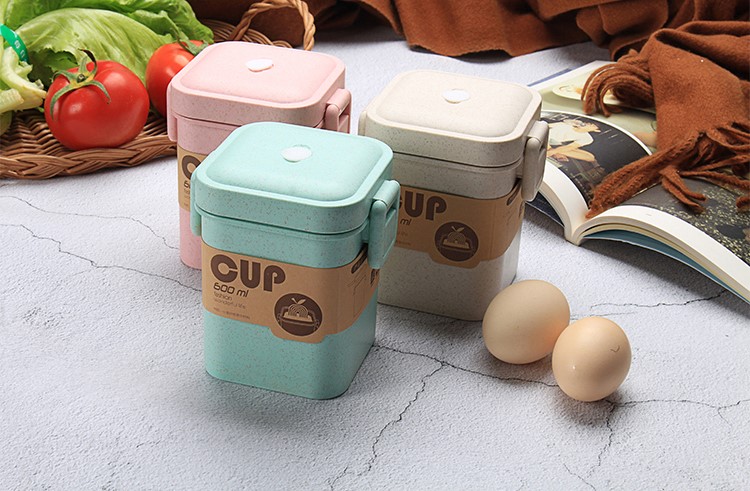
Industry experts believe that the abundant supply of wheat raw materials, stringent policy regulations, and the development of environmentally conscious consumer habits are mutually reinforcing and synergistic, forming the core driving force behind the development of the wheat-based tableware industry. The practical experience accumulated in policy implementation and market cultivation in Europe and North America also provides a valuable roadmap for the standardized and large-scale development of the global wheat-based tableware industry.
Post time: Jan-15-2026


