
With the advancement of “dual carbon” goals and the deepening implementation of the plastic ban, wheat straw tableware has rapidly gained popularity in the market due to its “natural and biodegradable” label, becoming a popular choice for dining, home use, and gifting. The rise of wheat straw tableware stems from the dual drivers of innovative practices in the resource utilization of agricultural waste and environmental protection demands. In the past, wheat straw was mostly burned, polluting the environment and wasting resources. Now, driven by technological innovation, wheat straw can be processed into various tableware such as plates, bowls, and cutting boards through sorting, drying, and fiber extraction, turning waste into treasure. Currently, some companies in the industry have been deeply involved in this field for many years, overcoming numerous technical challenges and forming a complete industrial chain model from straw collection and storage to tableware production. Their products can be completely degraded in 45 to 90 days under natural conditions, solving the problem of straw burning and, through the “cooperative + farmer + production enterprise” model, driving income growth for thousands of farmers and bringing them over ten million yuan in direct economic income annually.
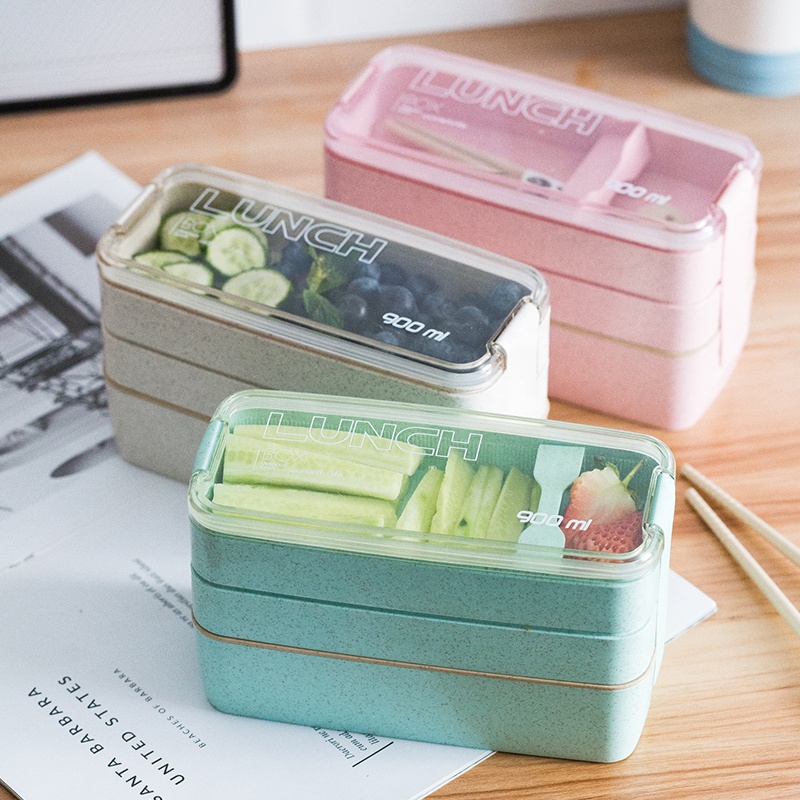
On the industry side, wheat tableware has reached a certain scale, with many regions seeing the emergence of environmentally friendly enterprises specializing in the comprehensive utilization of straw. Some leading enterprises produce over a thousand tons of environmentally friendly tableware annually, consuming tens of thousands of tons of straw each year. Their products cover cutlery, bowls, and plates, with both export and domestic sales, aligning with current green consumption trends and plastic ban policies, achieving a win-win situation for both ecological and economic benefits. Meanwhile, wheat tableware exports have performed exceptionally well. Chinese-made wheat tableware, with its biodegradable and compostable advantages, has successfully entered European and American supermarkets, becoming a new environmentally friendly calling card in cross-border trade.

In conclusion, under the dual guidance of the “dual carbon” goals and the plastic ban, wheat tableware has achieved steady development based on its environmental advantages. It has not only effectively solved the environmental problems caused by wheat straw burning and promoted the efficient resource utilization of agricultural waste, but also boosted farmers’ income and wealth, cultivated a large-scale green industrial cluster, and successfully entered overseas markets, becoming a shining environmentally friendly calling card in China’s cross-border trade. As a promising emerging environmental protection industry, the long-term development of wheat tableware cannot be separated from the continuous empowerment of technological innovation and the constant standardization of the industrial system. Only in this way can its dual ecological and economic value be fully released, allowing this green product to better integrate into various life scenarios and contribute to the coordinated development of environmental protection and the economy.

Post time: Feb-26-2026


