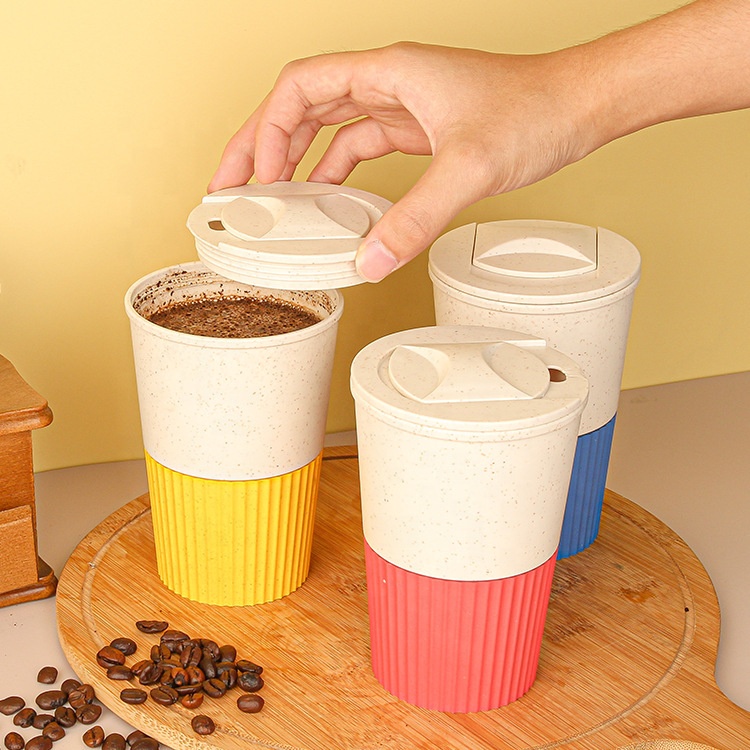
As global environmental awareness rises, degradable tableware made from wheat straw has emerged as a popular alternative to traditional plastic tableware. Its application fields have gradually expanded from the catering industry to home use, outdoor activities, maternal and infant care, and other scenarios, with market demand continuing to surge.
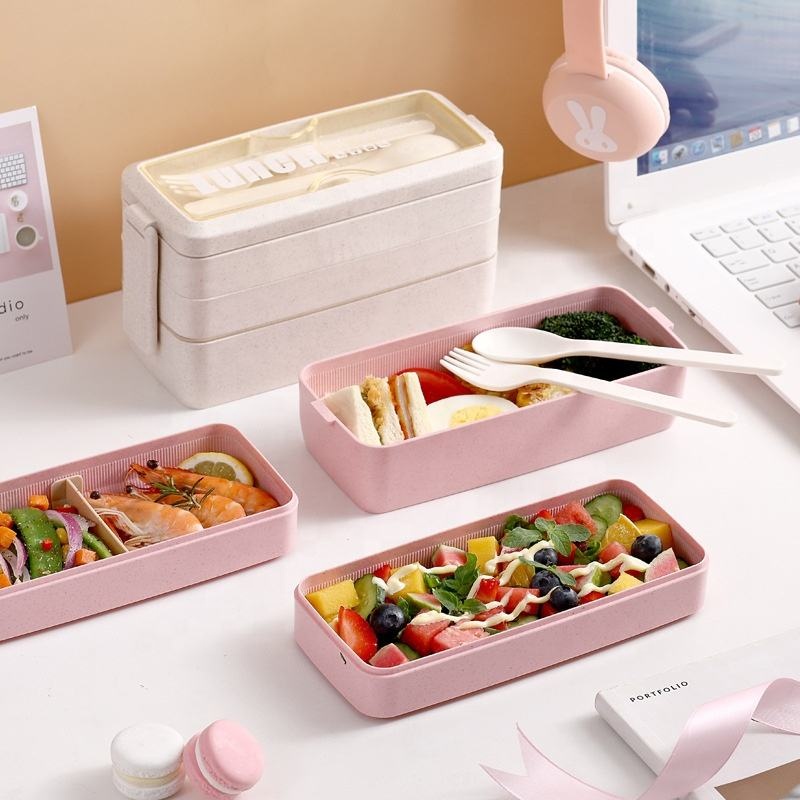
In the catering sector, wheat straw tableware has become the preferred choice for food delivery and fast-food industries due to its heat resistance and leak-proof properties. Many domestic chain catering brands have adopted wheat straw dinner plates, soup bowls, and other products in bulk, meeting food safety requirements while reducing plastic pollution. According to industry data, the usage rate of wheat straw tableware in China’s catering industry increased by 37% year-on-year in 2024. Many enterprises have reported that it degrades rapidly, taking only 3-6 months to fully decompose in natural environments, solving the environmental pain point of traditional plastic tableware.
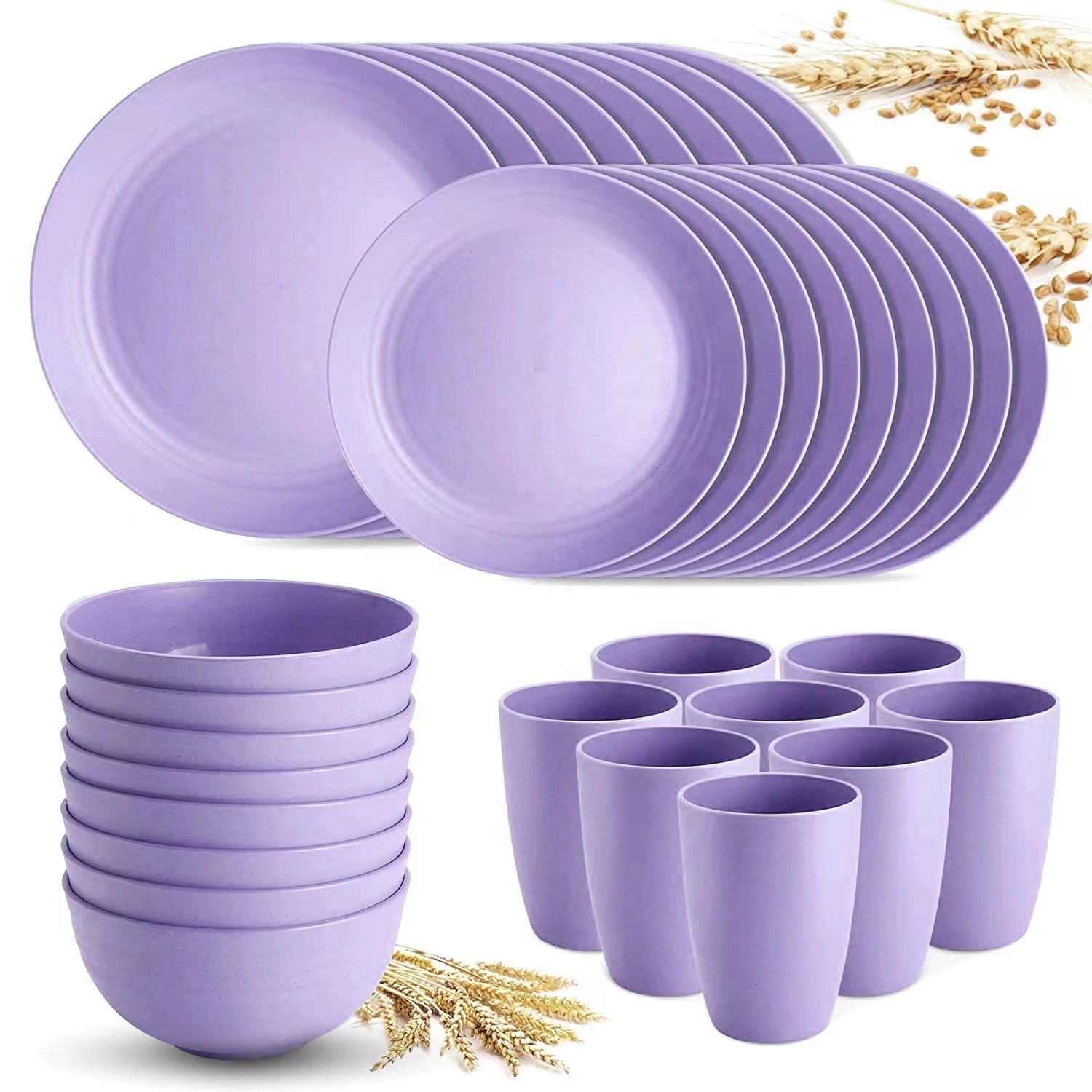
In home settings, wheat straw tableware has gained consumer favor for its
health and safety benefits and diverse designs.
Food-grade wheat straw rice bowls, vegetable plates, water cups, and other products on supermarket shelves are odorless and shatterproof, making them particularly suitable for families with elderly people and children. Many home brands have also launched customized sets that combine environmental concepts with aesthetic design, becoming a
new trend in kitchen decoration.

The outdoor travel and maternal and
infant markets have also become important growth drivers for wheat straw tableware. Camping enthusiasts value its light weight and durability, with sales of portable sets increasing by 52% year-on-year. Maternal and infant-specific wheat straw tableware has become the
first choice for new parents due to its BPA-free and easy-to-clean advantages. Data from an e-commerce platform shows that monthly sales of maternal and infant wheat straw tableware have exceeded 100,000 units.

In addition, wheat straw tableware is increasingly widely used in public scenarios such as government agencies, school canteens, and large-scale events. With the strengthening of policy promotion for environmentally friendly tableware and cost reduction driven by technological upgrades, wheat straw tableware is building a diversified application ecosystem with its core advantage of “coming from nature and returning to nature,” injecting green momentum into the achievement of the “
dual carbon” goals.
Post time:
Dec-18-2025