
With the continuous tightening of global plastic reduction policies in 2026, many countries including the Dominican Republic, the United Arab Emirates and Dubai have successively implemented new plastic ban regulations. The EU and the United States have also simultaneously strengthened plastic control and recycling requirements. The market space for non-degradable disposable tableware has been shrinking. Degradable tableware made from wheat straw, with its environmental protection attributes and compliance advantages, has become a new favorite for procurement in the catering and supermarket sectors overseas. China’s wheat straw tableware supply chain, with its mature production capacity and complete international certification system, is seizing this new opportunity for overseas expansion.
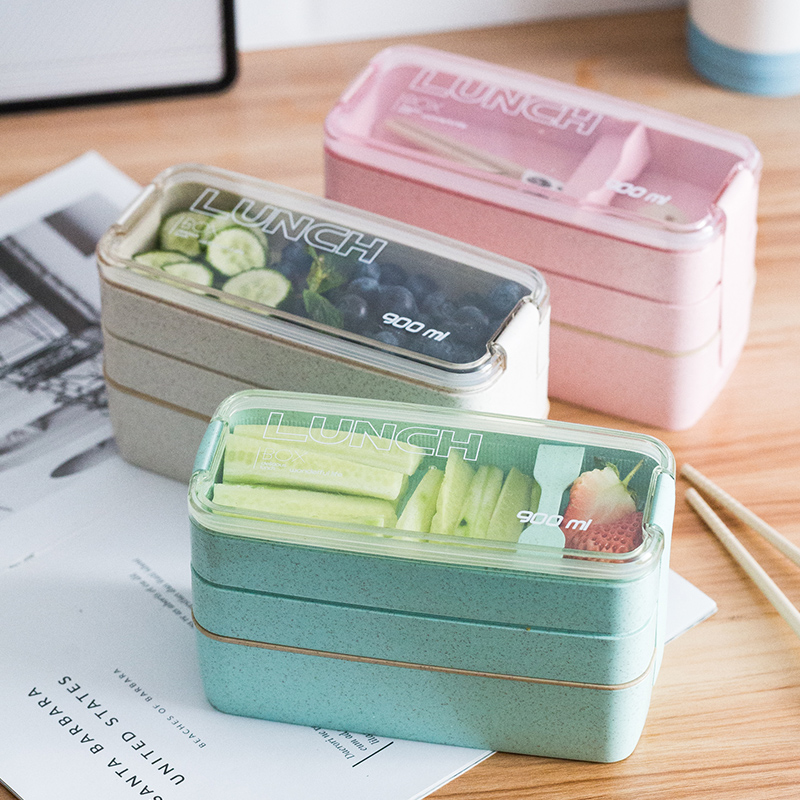
Wheat straw tableware takes agricultural waste wheat straw as the core raw material, which can be naturally degraded after technological processing. It conforms to the global “dual carbon” and plastic reduction needs from the source. At the same time, it has the practical characteristics of food-grade safety, shatter resistance and high temperature resistance. It can be adapted to various scenarios such as in-store dining, takeout and outdoor activities, perfectly replacing traditional plastic tableware. At the policy level, the Dominican Republic has completely banned tableware without biodegradation certification since January 2026, and Dubai has expanded the scope of plastic ban to core categories such as disposable plastic tableware and food containers. The EU’s new packaging law has strengthened the requirements for the use of recycled materials, while the United States has clarified a 30% reduction in virgin plastic by 2030 through the Plastic Pact Roadmap. The superposition of multiple policies has driven the continuous rise in overseas market demand for wheat straw tableware.
As the major producer and exporter of wheat straw tableware, Chinese enterprises have formed a mature supply chain system and accurately matched the certification requirements of overseas markets. Wheat straw tableware exported to the United States can pass the FDA food contact material test and complete the full item test in accordance with the US FDA 21 CFR 176.170 standard to ensure compliance with food contact safety specifications; products exported to the EU and Germany can pass the LFGB certification, meeting stringent standards from the control of harmful substances in materials to the migration of chemical substances. The complete certification system enables Chinese wheat straw tableware to clear customs without obstacles.
In the meantime, Chinese wheat straw tableware enterprises also have flexible foreign trade customization capabilities. They can adjust product sizes, color schemes and packaging according to the needs of overseas customers, adapt to multi-channel sales scenarios such as supermarkets, catering and group meal distribution, and quickly respond to bulk orders to meet the large-scale procurement needs of overseas markets. On foreign trade platforms, the demand for overseas procurement of tableware category has been rising continuously. The order volume in the European market has increased by more than 45% year-on-year, and the emerging markets such as Southeast Asia, the Middle East and Latin America also have huge potential. Wheat straw tableware has become another popular environmental protection category after PLA tableware.

Amid the global plastic ban wave, the market upsurge of environmental protection tableware has fully started. Wheat straw tableware is not only a compliant choice for overseas enterprises to cope with environmental policies, but also an important carrier for promoting the development of circular economy. Relying on raw material advantages, production strength and international certification advantages, Chinese wheat straw tableware enterprises are becoming the core choice for overseas B-end purchasers. In the future, with the continuous increase of global plastic reduction efforts, the overseas market of wheat straw tableware will usher in a broader development space.
Post time: Feb-03-2026


