
As the global wave of sustainable development continues to gain momentum, consumers are placing dual demands on product functionality and environmental friendliness. With its unique advantages of being lighter, more stable, more eco-friendly, and cost-effective, wheat straw tableware has stood out among traditional plastic, bamboo-wood, and PLA (polylactic acid) tableware, becoming a preferred choice in the market. This innovative tableware is reshaping the global sustainable tableware market pattern through its perfect balance of performance and value — it is predicted that the market scale will reach 302.7 billion US dollars by 2034.
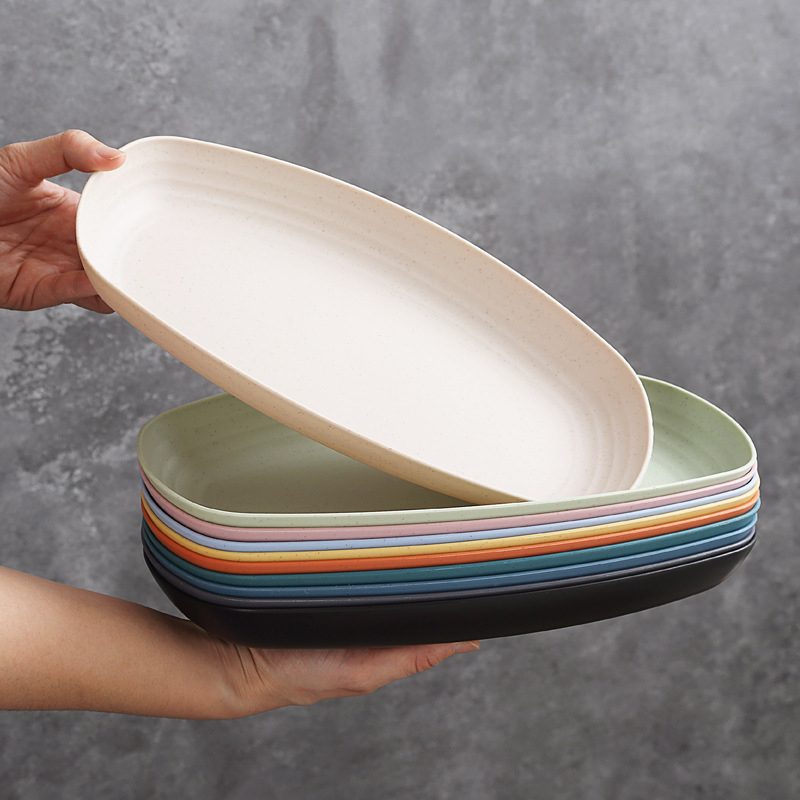
Wheat straw tableware has obvious advantages over traditional plastic tableware. Although plastic tableware is cheap, it is extremely harmful to the environment; its decomposition takes hundreds of years and exacerbates global plastic pollution. In contrast, wheat straw tableware is made from agricultural waste, fully utilizing wheat straw that would otherwise be incinerated, which not only reduces greenhouse gas emissions but also realizes the resource utilization of waste. In addition, wheat straw tableware is 20% lighter than plastic on average, facilitating transportation and use, and its reinforced fiber structure can further enhance stability, avoiding the problem that low-quality plastic is prone to brittleness and deformation under high temperature or pressure.
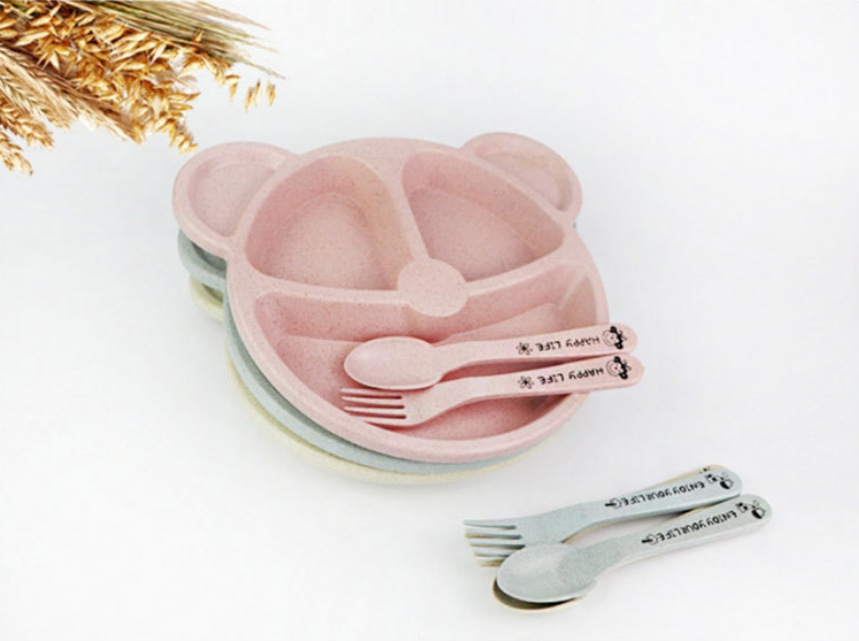
Compared with bamboo-wood tableware, wheat straw tableware has more advantages in practicality and sustainability. Although bamboo-wood tableware is also a natural material, it requires cutting down resources that grow rapidly but are still limited. Moreover, its porous surface is easy to absorb oil and moisture, leading to mold growth and shortened service life. On the contrary, wheat straw tableware has a non-porous surface, is resistant to mold and stains, and can maintain stability even after repeated use. At the same time, it is lighter than bamboo-wood tableware, which can reduce the transportation costs and carbon footprint of enterprises.
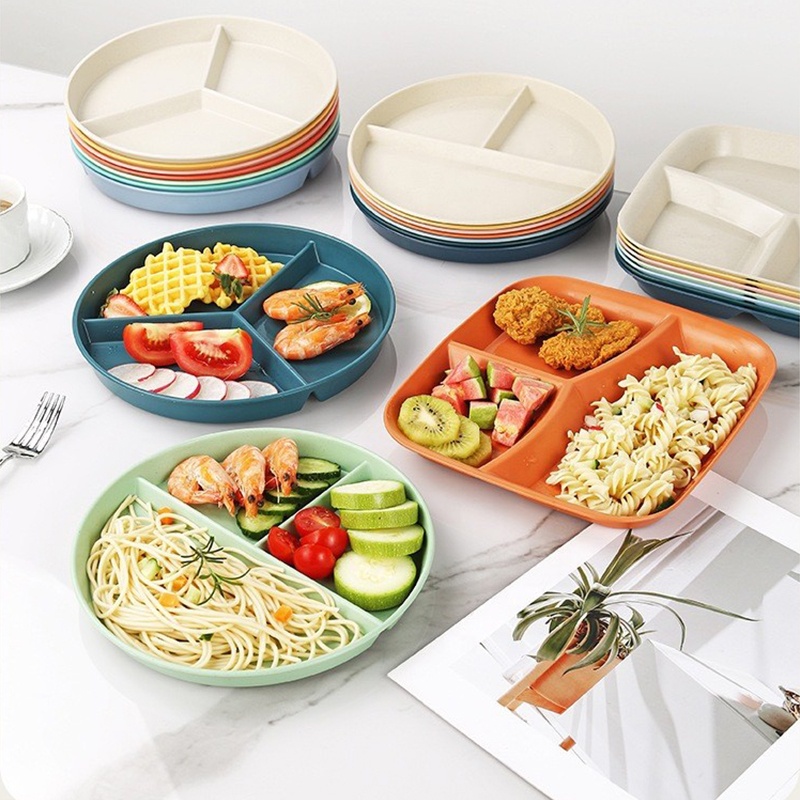
As a common degradable tableware, PLA tableware is at a disadvantage in both cost and performance compared with wheat straw tableware. PLA tableware is made from corn starch or sugarcane, resulting in high production costs that are ultimately passed on to consumers. Furthermore, it is relatively brittle, especially easy to damage in high-temperature environments, and its decomposition requires specific industrial composting conditions. In contrast, wheat straw tableware is 15%-25% cheaper than PLA, with significant cost-performance advantages. It can be naturally degraded in 6-12 months under ordinary composting conditions, and at the same time has more excellent stability and heat resistance.
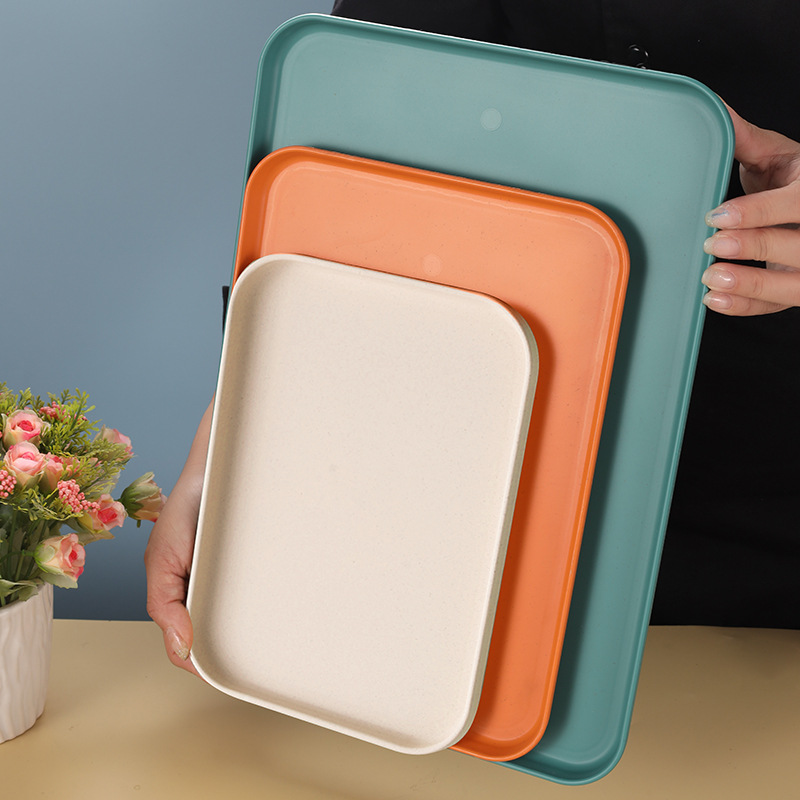
An industry analyst said: “Wheat straw tableware accurately addresses the core pain points of existing alternatives — it is lighter for daily use, more stable for practical applications, more environmentally friendly for the planet, and more cost-effective for both enterprises and consumers.” With the continuous tightening of global plastic ban policies, sustainability has become a core purchasing factor. Wheat straw tableware is expected to occupy a larger market share, providing a win-win solution for environmental protection and practical use, and becoming a new benchmark in the global sustainable tableware field with its unique differentiated advantages.
Post time: Mar-11-2026


