
Recently, research institutions and environmental protection companies from multiple countries around the world jointly released a significant breakthrough, achieving a crucial breakthrough in the core technology challenges of wheat-based biodegradable tableware. This breakthrough completely solves the problems of insufficient performance and limited adaptability of traditional products, providing a green, economical, and scalable new path for global plastic pollution control, attracting widespread attention in the international environmental protection field.
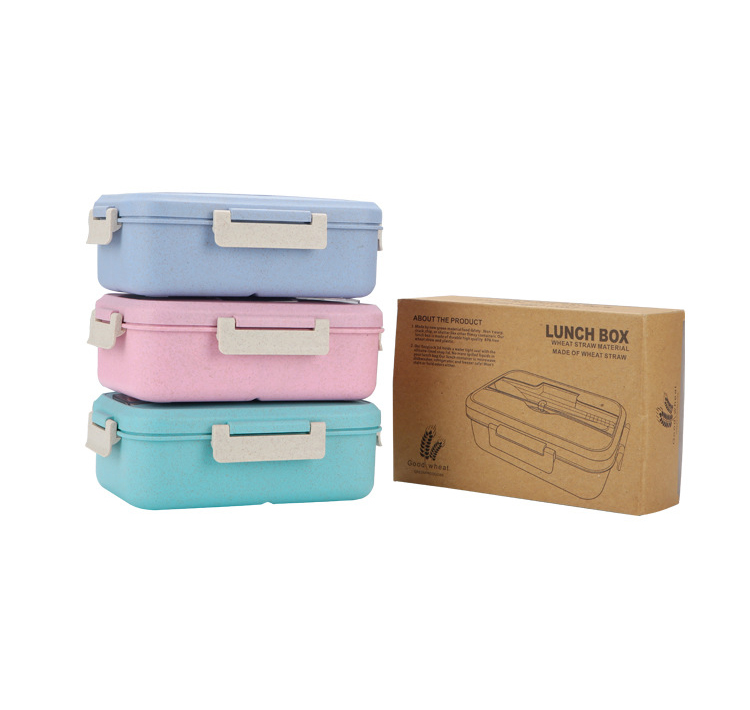
It is reported that this technological breakthrough was led by Germany, China, and Canada, with the participation of research teams from major wheat-producing countries such as Brazil and Australia. Focusing on the pain points of the global biodegradable tableware industry, the team integrated the technological advantages of various countries to conduct collaborative research and development. Specifically, the German team led the upgrade of the heat-resistant formula, the Chinese team made breakthroughs in the efficient extraction and molding process of wheat straw, and the Canadian team optimized the product’s degradation efficiency and cost control, forming a cross-regional and cross-sectoral technological collaboration system.

Compared to traditional wheat tableware, the new technology product achieves a qualitative leap in core performance, can stably withstand high temperatures of 125℃, solving the industry problems of heat deformation and leakage. It has also passed mainstream global environmental certifications, making it suitable for catering scenarios in different regions such as the EU, North America, and Southeast Asia. The product uses agricultural waste such as wheat straw and wheat bran as raw materials, requiring no chemical additives. It is completely compostable and degrades within 90 days of use, truly achieving “originating from nature and returning to nature.”
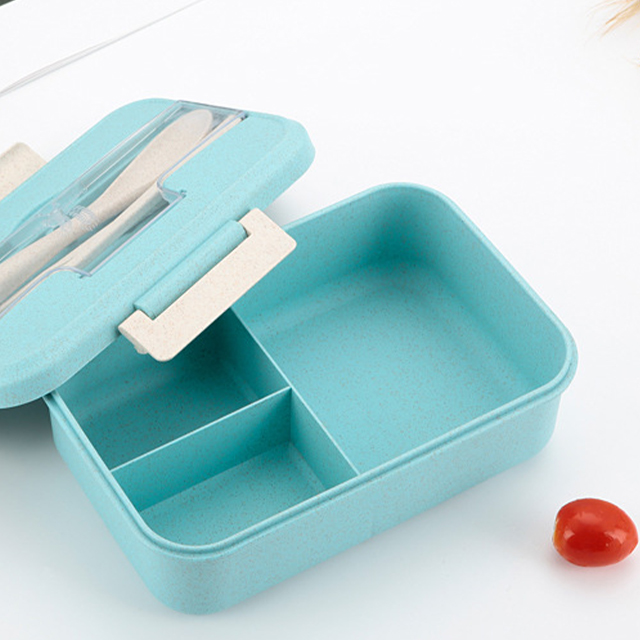
Currently, this technology has been licensed to 12 companies worldwide for mass production, covering major wheat-producing countries and regions with concentrated environmental needs. Production bases in China and Brazil primarily supply the Asian and South American markets, while bases in Germany and Canada serve Europe and North America. The combined annual production capacity exceeds 500 million pieces, effectively promoting the resource utilization of agricultural waste in various countries, helping farmers increase their income and upgrading the environmental protection industry.

A representative from the United Nations Environment Programme stated that this international collaborative technological breakthrough in wheat tableware aligns with the global trend of “plastic bans and reductions.” It leverages the resource advantages of major wheat-producing countries while integrating the technological strengths of various countries, setting a benchmark for the collaborative development of the global biodegradable industry and accelerating the globalization of environmentally friendly tableware.
Post time: Feb-10-2026


