
With consumers becoming increasingly health-conscious, tableware safety has become a core consideration when purchasing. Recently, wheat straw tableware has consistently been a market favorite due to its multiple safety advantages: natural raw materials, compliant testing, and safe use, making it a new healthy choice for families and restaurants.
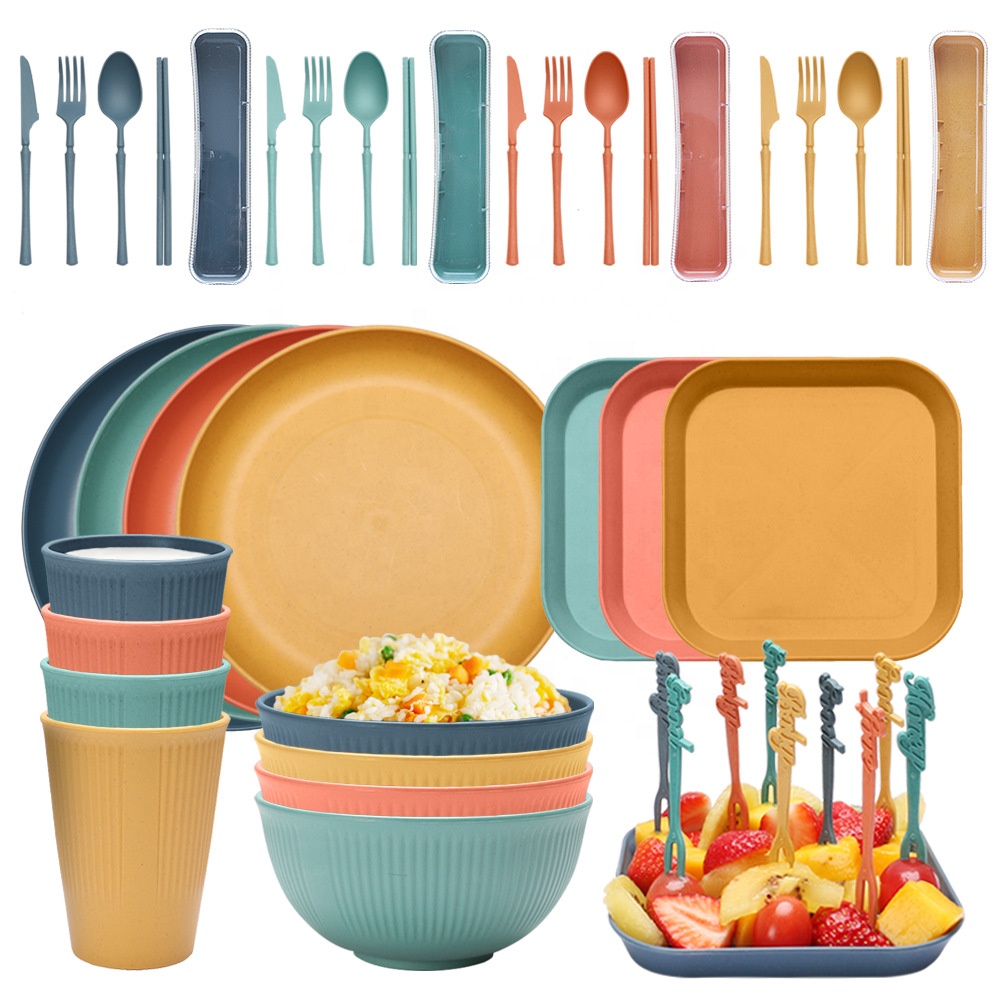
The safety of wheat straw tableware stems from the control of natural raw materials. The products use wheat processing residue straw as the core raw material, combined with food-grade environmentally friendly resin, without adding plasticizers, fluorescent whitening agents, or other harmful chemicals throughout the entire process, eliminating the risk of contamination at the source. Raw materials undergo rigorous screening to prevent the use of moldy or contaminated straw, ensuring the basic materials are safe and harmless, meeting the stringent requirements for food contact materials.
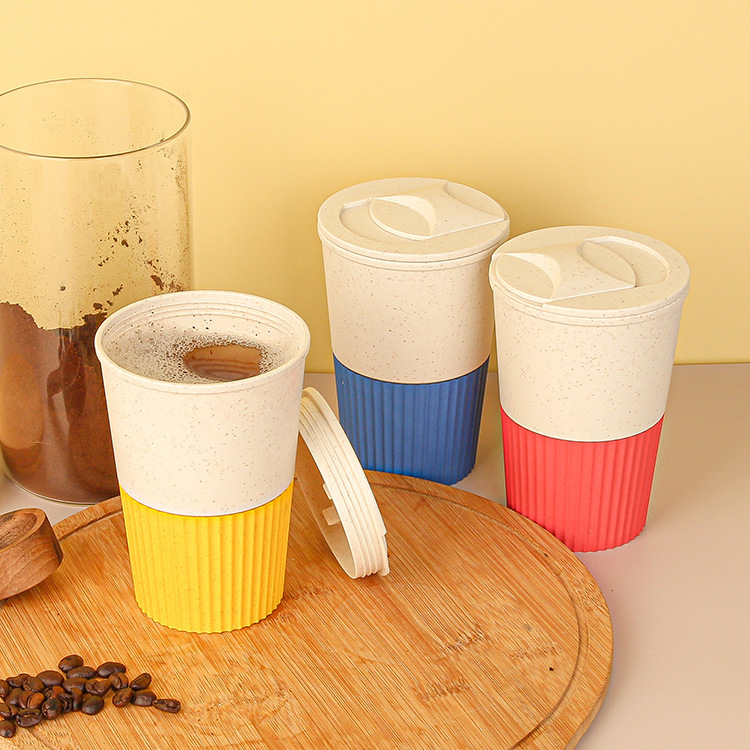
Authoritative testing and certification further enhance safety. All qualified wheat straw tableware has passed the GB 4806 series of national mandatory standards testing, with lead, cadmium, and other heavy metal migration levels far below the limit of 1mg/kg, while also meeting the LFGB international food contact safety standards. Data from third-party testing agencies shows that the residual levels of formaldehyde and plasticizers are all at the “not detected” level. No harmful substances are released when used at temperatures below 75℃, completely avoiding the safety hazards of traditional plastic tableware.
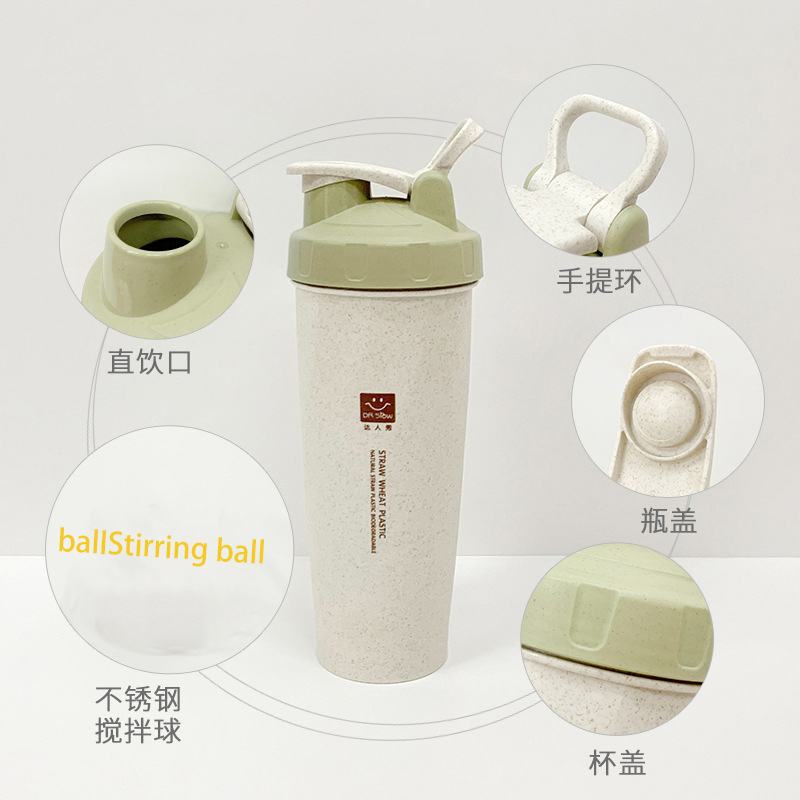
Its safety adaptability to various usage scenarios is widely recognized. The product’s temperature resistance range covers daily catering needs; it does not deform or produce odors when holding warm food, making it especially suitable for special scenarios such as infant formula and pregnant women’s diets. Its smooth, non-porous surface does not easily breed bacteria, and it can be reused after washing, balancing hygiene and practicality. It maintains its structural integrity even after repeated drop tests, avoiding the risk of scratches from fragments. Market regulators remind consumers to look for the “food contact” label and test reports when purchasing. Industry experts say that wheat tableware, through its comprehensive safety control across the entire chain from raw materials and standards to usage, sets a healthy benchmark for the tableware industry. As safety technology continues to upgrade, its market penetration rate will further increase.
Post time: Dec-10-2025


